← All 19 designs DESIGN MOCKUP Business name, reviews, ratings and results shown are fictional and for illustration only. A demo by Pages by Beth.
This page demonstrates
CALLOWAY & REEVE Injury Law
Free case review · 24/7 (555) 016-3300 Free case review
Fairview & the Tri-County area

The insurance company already has a lawyer. When do you get yours?

Their adjuster's job is to close your claim cheap. Ours is to stop that. You pay nothing unless we win — no hourly fees, no retainer, no bill if there's no recovery. Start with a free, confidential case review.

★★★★★ 4.9 · 300+ client reviews
No fee unless we win 22 years of trial work We come to you
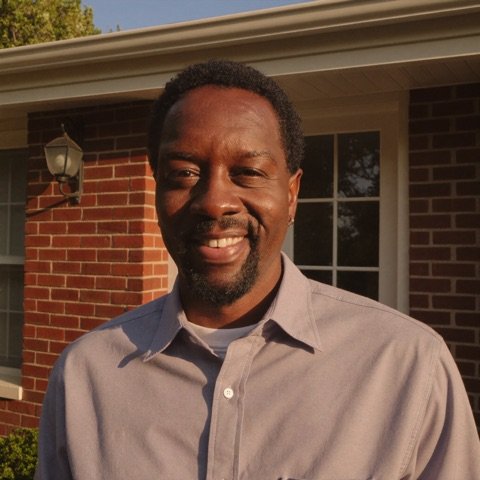
Senior trial attorney at Calloway & Reeve, photographed in the firm's Fairview office

Get your free case review

Tell us the basics — an attorney (not a call center) reviews it and calls you back, usually within the hour.

When did it happen?

Confidential. No obligation. You owe nothing unless we win.

Recovered for clients like you

Illustrative
$1.2MTruck collision — highway rear-end
$890KMotorcycle accident — left-turn driver
$640KWorkplace fall — scaffolding failure
$475KSlip & fall — unmarked wet floor

Results are fictional examples for this design mockup. On a live build these are the firm's real, documented recoveries — with the standard caveat that past results never guarantee a future outcome.

Daniel Calloway, senior trial attorney at Calloway & Reeve Injury Law

"The adjuster is trained for this conversation. You shouldn't have to be." Daniel Calloway · Senior Trial Attorney

Why people trust us with this

Twenty-two years of sitting on your side of the table

You can't audit a lawyer's skill from a website — so here is what you can check. Every credential below is the kind an adjuster looks up before deciding whether to lowball a claim or take it seriously.

22Years of trial practice
900+Injury cases resolved
$48MRecovered for clients
  • Board Certified in Civil Trial Law — Fairview State Bar
  • Member, Tri-County Trial Lawyers Association (past chair, injury section)
  • Faculty, Fairview College of Law — trial advocacy program
  • Rated "Preeminent" by the Tri-County Legal Directory, 2019–2025

One call. Twenty minutes. You'll know exactly where you stand.

No mystery, no pressure

What a free case review actually looks like

It's a conversation, not a commitment. Here is the whole process — and you can stop it at any step.

1

Tell us what happened

A twenty-minute call — or we come to your home or hospital room. You talk, we listen, and we tell you plainly whether you have a case. If you don't, we say so.

Free · Confidential
2

We build the case while you heal

We gather the camera footage, medical records, witness statements, and expert opinions — before any of it disappears. Your only job is recovery.

We handle the insurer's calls
3

You approve every decision

We negotiate from strength and prepare for trial so we rarely need one. No settlement happens without your yes — and no fee happens without a win.

No win, no fee. In writing.
Get my free case review

Takes 60 seconds. An attorney calls you back — not a call center.

Why waiting is the expensive option

Your case has a legal expiration date. Your evidence expires sooner.

No countdown clocks here — just two facts. First, the statute of limitations gives you a fixed window to file, and when it closes, it closes for good. Second, the proof that wins cases starts disappearing long before that deadline:

  • Camera footage — most businesses overwrite security video within 30 days.
  • Witnesses — memories blur in weeks; people move and stop answering.
  • The scene — skid marks fade, hazards get repaired, vehicles get scrapped.
  • The record — gaps in medical treatment become the insurer's favorite argument.

The adjuster is already working. Start your side today.

The insurance company opened its file the day you were hurt. A free case review today means your evidence gets preserved this week — whether or not you ever hire us.

Protect my case — free review

Costs nothing. Commits you to nothing. Preserves everything.

From people who sat where you're sitting

They didn't think they were "lawsuit people" either

★★★★★
The insurance company offered me $9,000 and told me it was generous. I almost took it — I was scared and the bills were piling up. Calloway & Reeve settled my case for thirty times that, and I never paid them a cent out of pocket. The fee came out of the win, exactly like they said it would.
Portrait of Marcus, a truck collision client Marcus D.Truck collision client · Fairview
★★★★★
What I remember most is that they answered the phone. Every time. The adjuster stopped calling me within a week of me signing — suddenly everything went through my lawyer, and I could finally focus on physical therapy instead of arguing about fault.
Portrait of Elaine, a slip and fall client Elaine R.Slip & fall client · Cedar Falls
Free · Confidential · No obligation

You don't have to decide anything today. Just find out where you stand.

Twenty minutes with an attorney. A straight answer about your case. And a written promise: if we don't win, you don't pay.

★★★★★ 4.9 · 300+ reviews from Fairview & the Tri-County area
Beth's notes — why this page works

Designed for one reader: someone hurt, scared, and already getting calls from an adjuster

Legal is different from every other local vertical I design for. The visitor can't evaluate the actual product — legal skill — so they evaluate signals of it, and they're doing that evaluation under stress, often from a hospital bed or a wrecked kitchen table. That's why this page is the most credibility-dense design in my portfolio: in legal, density isn't decoration, it's the strategy. One credential is a claim. A stack of them is a pattern the anxious brain can finally rest on.

The buyerHurt, overwhelmed, and being circled

They were injured days or weeks ago. The bills have started, work is uncertain, and an adjuster who sounds friendly keeps calling with a number that feels both tempting and insulting. They've never hired a lawyer and secretly worry they're not "the kind of person who sues." Every element on this page speaks to that exact moment.

The primal driverSecurity — plus a shot of justice

The surface driver is security: make the bills survivable, make the calls stop. But the deeper one is justice — the feeling that someone powerful is finally on my side. The headline casts the insurer as the opponent with a lawyer already on the field, which reframes hiring one from "being litigious" to simply evening the odds.

The objection"Lawyers are expensive"

This is the belief that stops injured people from ever making the call, so I don't let it survive past the sub-headline: "You pay nothing unless we win." Nine words, zero financial risk, stated before the visitor scrolls an inch. Then the form's microcopy and step three of the process repeat it, because an objection this big needs to be killed more than once.

The ladder rungCore offer

The free case review IS the product's front door — there's no tripwire in legal, no $19 starter. The consultation is free by industry convention, so the page's whole job is to make requesting it feel safe, fast, and reversible: free, confidential, no obligation, twenty minutes, stop any time. Low friction on a high-stakes decision.

Hero form

Four fields, all answerable off the top of the head: name, phone, injury type, and a "when did it happen?" radio row. No case description box in the hero — asking a stressed person to write an essay is how you lose them. The "when" radios also do quiet triage: recency tells the firm how urgent the evidence situation is before anyone picks up a phone.

Navy + gold palette

Deep navy is courtroom gravity; the gold is reserved for verdicts — results, credentials, the CTA. A bright, bouncy palette would be wrong for a reader in pain. The serif italic accents are deliberate too: they read as "established firm," not "startup," and that's a trust cue this buyer is scanning for whether they know it or not.

Case-results strip

Placed immediately under the hero because it answers the first silent question: "has this firm won cases like mine?" Specific dollar figures tied to specific case types beat any slogan. The figures here are fictional and labeled as such; on a live build they're the firm's real recoveries with the required past-results disclaimer.

Credibility stack

Years, case count, recoveries, board certification, teaching post — stacked in one block next to a real face. The portrait matters as much as the credentials: this buyer is deciding whether to trust a person with the worst month of their life, and a face with a quote does what a logo never can.

Urgency device

No countdown timer — it would be a lie, and this reader is hypersensitive to being hustled. Instead, the truth: statutes of limitations are real filing deadlines, and evidence decays on its own schedule — footage gets overwritten, witnesses scatter. Honest urgency converts "I'll deal with it later" into "I should at least find out where I stand" without a single trick.

Dual proof

Status proof (4.9 stars, 300+ reviews) sits in the hero for the instant credibility read; personal proof (two faces, two specific stories) sits deeper, where the almost-convinced go. Both testimonials handle real objections in narrative form — the lowball offer, the fee fear, the adjuster harassment — which is proof and objection-handling in one move.

CTA style

The buttons never say "Submit" or "Contact us." They say "Review my case — free" and "Protect my case" — value plus risk-reversal in the button itself. The final CTA lowers the stakes one last time: "You don't have to decide anything today." For a frightened buyer, permission to not commit is often what unlocks the click.

Straight answers

Questions people actually ask

What does hiring an injury lawyer really cost?

Nothing up front, and nothing ever unless the case wins. Injury firms work on contingency: the fee is a fixed percentage of the recovery, agreed in writing before any work starts. If there's no recovery, there's no fee.

That's why the no-win-no-fee line sits in the sub-headline of this page — "lawyers are expensive" is the single biggest reason injured people never make the call, and it deserves to be answered before anything else.

How long does an injury case take?

Honestly: months at minimum, and complex cases can take a year or more. Straightforward claims with clear liability often settle in three to nine months; disputed liability or serious injuries take longer, because you shouldn't settle before the full extent of your recovery is known.

Anyone promising you fast money is either lying or planning to settle your case cheap. A good firm moves with urgency on evidence and deadlines, and with patience on the number.

How do I know if I even have a case?

You don't have to know — that's exactly what the free case review is for. Roughly, a case needs three things: someone else was at fault, you were genuinely hurt, and there's insurance or assets to recover from. A twenty-minute conversation sorts this out.

And if you don't have a case, a decent firm tells you so plainly. You've lost twenty minutes and gained a straight answer.

Will I have to go to court?

Probably not — the large majority of injury cases settle without a trial. But here's the part worth understanding: the cases that settle well are the ones the insurer believes the firm is genuinely willing to take into a courtroom.

So you prepare every case as if it's going to trial, precisely so that it usually doesn't have to.

Will a page like this actually bring a firm more cases?

It converts the people already searching — it doesn't create injuries, and you wouldn't want it to. When someone types "injury lawyer near me" at 11pm from a hospital parking lot, this page's job is to stop them bouncing to the next result.

A firm's regular website is a brochure with forty exits — practice areas, attorney bios, blog posts. This page has one goal and one door. Never send paid traffic to a brochure.

Why is the contact form at the very top of the page?

Because the visitor is hurt, stressed, and on a phone — every scroll you demand is a tax on your own lead flow. The form asks only four things anyone can answer off the top of their head: name, phone, what kind of injury, and when it happened.

No case details, no essay box. The consultation is where details belong; the form's only job is to open the door.